Who Is Watching Your Portfolio Between Meetings?
Markets can shift, allocations can drift, and risks can emerge long before your next review meeting—so who is actively watching your portfolio in the meantime?
A portfolio only ocassionally looks the same three months after the last review. One holding has risen faster than the rest, the Swiss franc has moved, a bond has matured. A private-equity fund has called capital or returned cash. You may not have changed a single instruction, but the balance of the portfolio has shifted.
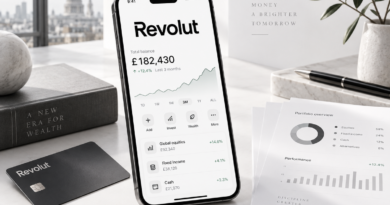
Private banks and wealth managers use portfolio software to track those movements between meetings. The systems compare holdings with allocation ranges, risk limits, liquidity requirements and investment restrictions set for the mandate. Once a position moves beyond one of those limits, the portfolio goes back to the investment team for review.
What matters after the meeting is whether someone notices when the portfolio begins to move away from the agreed plan.
Your portfolio keeps moving
Equity markets do not lift every holding at the same pace. The strongest positions take up more room first. Currency movements alter the value of foreign assets, while bond maturities and private-market cash flows change the liquidity position.
Private assets move to a different timetable. Listed shares reprice throughout the day. Private-equity funds and property holdings often rely on valuations that are weeks or months old. A mixed portfolio therefore brings together current prices, older valuations and cash movements that have taken place in between.
Wealth managers call the gap between the allocation originally agreed with you and the allocation you now hold portfolio drift. Advisers once found much of it while preparing for the next formal review. Portfolio systems now pick up those changes earlier.
The firm sets the monitoring rules around your mandate. An equity allocation can trigger a review after moving outside its permitted range. The same system may flag low cash, an oversized position or a breach of an investment restriction. The adviser sees the portfolio once one of those conditions has been met and decides whether the move requires action.
What your wealth manager can see
Your private bank sees the assets you hold with that institution. It does not automatically see the same company in another custody account, cash held elsewhere or a family vehicle drawing money for a private-market investment.
If your wealth is spread across several institutions, a position that looks modest inside one account may represent a much larger share of your total wealth. Currency exposure, sector concentration and liquidity can be understated for the same reason.
Consolidated wealth systems bring information from several custodians and asset classes into one portfolio view. The adviser then works with a broader picture of concentration, allocation and cash rather than one account at a time.
The information does not arrive at the same speed. Listed securities update frequently. Private-market valuations arrive less often. Manually entered assets stay unchanged until somebody updates them. A portfolio may show yesterday’s share prices alongside private-asset values from several months earlier.
Before acting on an alert, the adviser needs to know which figures are current and which are not.
What happens after an alert
Your mandate determines who acts.
Under discretionary management, you have already authorised the portfolio manager to make decisions within agreed limits. The manager reviews the breach alongside the rest of the portfolio and decides whether to trade.
Under an advisory mandate, the adviser reviews the issue and brings a recommendation back to you before anything changes.
A breach does not settle the investment decision on its own. A higher equity weight may still fit your circumstances. You may need cash soon, expect money from another investment or hold assets elsewhere that change the wider picture. Returning one number to target without looking at the rest of the mandate would ignore that context.
Swiss suitability rules require firms providing portfolio management and ongoing portfolio-based investment advice to consider the client’s financial situation, investment objectives, risk appetite, time horizon and restrictions when defining and applying the investment strategy.
Wealth managers also use tolerance ranges to avoid unnecessary trading. Every transaction carries costs, and illiquid investments cannot be resized whenever markets move. The range gives the portfolio room to move before the manager steps in.
The limits form part of the firm’s investment process. Tighter ranges bring portfolios back for review sooner. Broader ranges allow more movement before intervention.
Between meetings, speed matters
Avaloq, the Zurich-headquartered provider of wealth-management and core-banking technology, surveyed more than 3’800 affluent to ultra-high-net-worth investors and 450 wealth professionals across 15 markets for its 2025 Wealth Insights study. Sixty-nine percent of investors said they wanted their adviser to react more quickly to market changes. Among wealth professionals, 38 percent cited lack of time as an obstacle to personalised advice.
Portfolio monitoring cuts the amount of manual checking. Relationship managers start with accounts where a limit has already been crossed instead of opening every portfolio to find out what changed.
The alert still needs judgement. A concentrated holding may remain in place because selling would create another problem elsewhere in the mandate. A liquidity warning may lead to a conversation rather than a trade. Under a discretionary mandate, the portfolio manager may act within the authority already agreed with you.
In June 2026, the Swiss Financial Market Supervisory Authority FINMA drew attention to weaknesses it had found after a sharp rise in cases involving portfolio managers that were escalated because of deficiencies. Some had resulted in substantial client losses. FINMA called for earlier risk identification, robust governance and consistent application of conduct rules with the client’s interests in mind.
By the time you sit down for the next formal review, your adviser should already know whether a holding has grown too large, liquidity has changed or the portfolio has moved outside an agreed range. The meeting can then focus on the decision rather than on discovering that the portfolio moved months earlier.
Five questions for your wealth adviser
01 What do you monitor between my formal portfolio reviews?
Ask which limits cover allocation, concentration, currencies, liquidity and investment restrictions.
02 What puts my portfolio back in front of an adviser?
Find out which movements generate a review and which remain within the agreed mandate.
03 Do you see my total wealth or only the assets held with your institution?
If you use several banks or investment vehicles, ask whether the firm monitors those exposures together.
04 What happens when the system flags a breach?
Who reviews it, how quickly and who decides whether it leads to a recommendation, a trade or no action?
05 When were my monitoring limits last reviewed?
The thresholds should still reflect your investment strategy, liquidity needs and restrictions.
The point
Your portfolio continues to change after the meeting ends. Your wealth manager’s monitoring process determines when those changes come back under professional review.