The New Rules Of Collecting: What The UBS And Art Basel Survey Reveals
Collectors are buying more directly from artists, researching acquisitions with AI and placing greater emphasis on rarity and privacy. The latest Art Basel and UBS survey examines how these preferences are changing the art market and what wealthy families should consider when buying, financing or transferring a collection.
Nearly seven in ten wealthy art collectors now buy directly from artists, while the proportion using AI tools for research has risen from 4% to 22% in two years. Traditional galleries remain the dominant sales channel, but collectors increasingly draw on their own research, develop relationships with artists and seek greater control over who knows what they own.
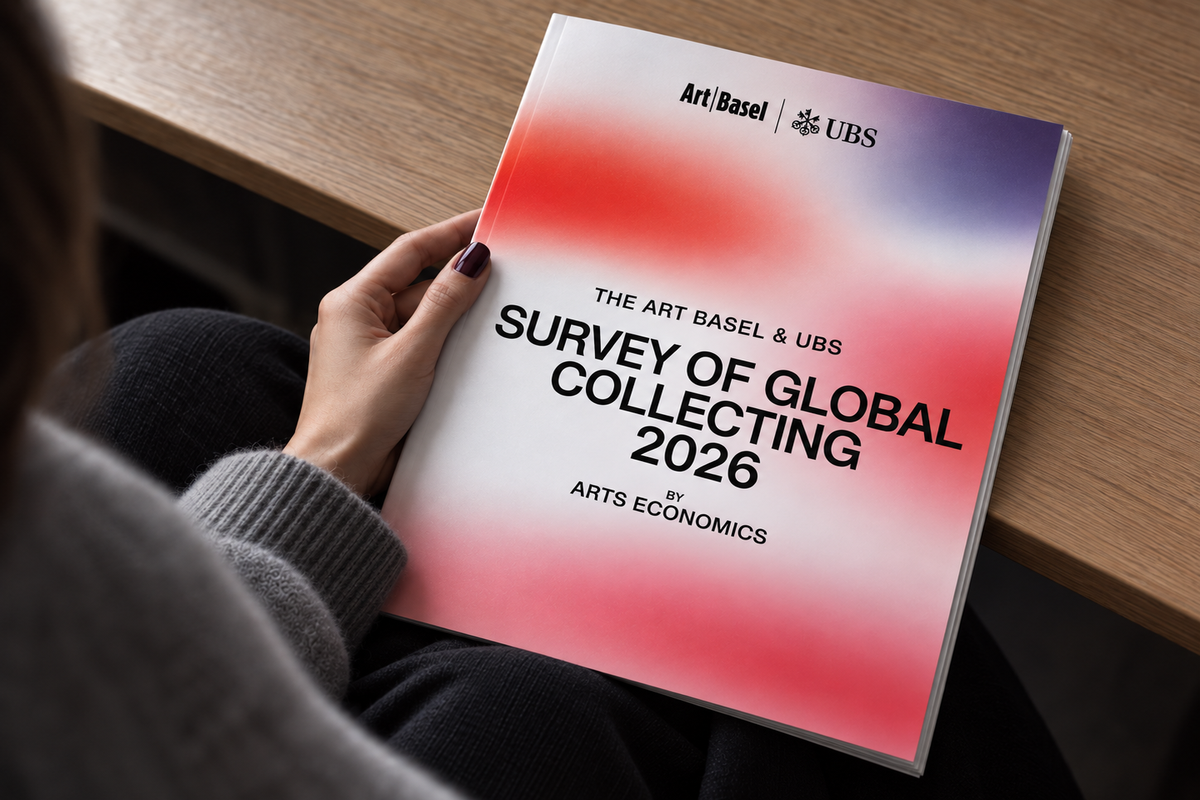
The Art Basel and UBS Survey of Global Collecting 2026, conducted by Arts Economics among 3’100 high-net-worth collectors across ten markets, also found that women are collecting across a wider range of artistic media, younger buyers are making substantial purchases and privacy has become a priority for owners of valuable works.
For collectors and the family offices advising them, the findings raise practical questions about acquisition prices, provenance, insurance, financing and inheritance. Buyers have more ways to access the art market, although the responsibilities attached to owning valuable works remain much the same.
Younger Collectors Are Spending More. Start With Education
Generation Z collectors spent an average of $347’460 on fine art in 2025, more than twice the amount spent by any older generation surveyed. Family influence remains particularly strong, with 40% of Gen Z respondents introduced to collecting through relatives and almost nine in ten young collectors retaining artworks they inherited.
Parents considering a significant artwork as a gift may find it more rewarding to involve their children in the acquisition than to select an established artist on their behalf. Visiting galleries together, discussing an artist’s work and setting a purchase budget can help younger family members develop their own judgement.
A jointly selected painting or commissioned work also gives the recipient an opportunity to establish relationships with artists and dealers. Parents should clarify ownership and retain the purchase documentation, particularly when the gift represents a substantial financial commitment.
For more on younger collectors’ spending and investment preferences, read Why The Youngest Art Collectors Are Spending The Most.
Rarity Is Important, But What Makes A Work Valuable?
Uniqueness and rarity were the qualities collectors valued most, cited by 43% of respondents, compared with 23% who prioritised works respected by experts and 22% who valued recognition within collecting circles. A rare painting from an important period in an established artist’s career may command a premium because museums and collectors have few opportunities to acquire comparable works. Scarcity carries less financial weight when an artist has a limited following and little evidence of demand in the secondary market.
Buyers should establish why a particular work is considered important, examine its provenance and condition, and compare the asking price with previous sales of similar pieces. Auction results provide a starting point, although private transactions may offer additional information that is not publicly available. A successful exhibition or new gallery representation may attract buyers and support higher asking prices before a substantial resale market has developed. Collectors should ask dealers which comparable transactions support their valuations and whether the price reflects established demand or expectations of future recognition.
Women Are Broadening Their Collections
Women in the survey collected across a wider range of artistic media than men and devoted a slightly larger share of their collections to emerging artists, at 36% compared with 33%. They were also more likely to purchase work by an artist they had not previously collected, with 49% reporting such acquisitions against 43% of men.
Their involvement extended beyond purchasing. Women attended approximately 20% more art events than male respondents, while 84% owned paintings, compared with 73% of men.
For wealthy families, these findings explain the importance of understanding who selects artworks and maintains relationships with galleries, particularly when several family members contribute to a collection. Family offices should reflect those responsibilities in acquisition policies, ownership records and succession planning.
Collectors Are Using AI, But Independent Expertise Still Matters
Seventy-two per cent of respondents conducted moderate or significant independent research before purchasing art, up from 62% in 2025. Digital sources are taking a larger role, with 58% consulting online resources and 22% using apps or AI tools, compared with just 4% in 2024.
Almost one-third also used Instagram or X for recommendations, giving collectors access to artists and galleries beyond their established networks. AI can help buyers research exhibition histories, identify comparable works and explore unfamiliar artists before arranging a viewing. Auction databases and specialist publications can provide further information about previous sales and the development of an artist’s market. Buyers should nevertheless verify the information on which they base an acquisition. AI research cannot establish the authenticity of an individual painting, confirm the seller’s legal title or replace a physical condition assessment. Previous auction prices also require interpretation, particularly when works differ in size, date, medium or importance within an artist’s career.
For substantial purchases, collectors should obtain provenance records and condition reports, with independent authentication or valuation where appropriate. The survey also recorded greater caution towards unfamiliar artists. The proportion of respondents buying works by newly discovered artists fell from 66% in the previous survey to 45% in 2026, the lowest level in five years. Collectors may have more information available, but that has not removed uncertainty about prices and future demand.
Privacy Has Become A Priority For Wealthy Collectors
Sixty-four per cent of respondents preferred to keep ownership of their art within their household or close personal circle, while only 10% sought widespread recognition.
Discretion also influenced museum lending. Among collectors who lent works to institutions, 30% preferred complete anonymity and another 47% wanted discreet acknowledgement, compared with 17% who sought full public credit.
Museum loans can give important works wider exposure without requiring owners to disclose their identities publicly. However, collectors should agree on attribution, photography, reproduction rights and publicity arrangements before signing a loan agreement.
Family offices also need to manage the information shared with galleries, insurers, conservators and specialist transport companies. Collection inventories can contain valuations, photographs, ownership details and residential addresses, making them sensitive records even when they are used for routine administration.
Access to those records should reflect each service provider’s responsibilities, with particular attention to shared digital inventories and external advisers.
Family offices should restrict access to collection inventories, valuations and ownership records, sharing information only with advisers and service providers who need it.
More Buyers Are Purchasing Directly From Artists
Sixty-nine per cent of respondents purchased directly from artists in 2025 and the first half of 2026, more than double the proportion recorded in 2024. Transactions included studio purchases, commissions and acquisitions arranged through Instagram.
Artist-direct sales represented 19% of expenditure, making them the second-largest sales channel by value. Established dealers nevertheless remained central to the market, with 87% of collectors buying through them and dealer transactions accounting for 42% of spending when art fairs were included.
Direct purchases can give collectors earlier access to new work and opportunities to commission pieces that may not be available through galleries. They also require buyers to establish commercial terms that an experienced dealer would ordinarily help manage.
Before commissioning an artwork, buyers should agree in writing on its size, materials, price, payment terms and delivery date, including how delays or changes to the finished work will be handled.
Where an artist has gallery representation, collectors should clarify whether existing agreements affect the transaction. The final documentation should identify the artwork, confirm ownership and address any relevant reproduction rights.
Buyers should retain the documentation from direct purchases, including those arranged personally with artists, to support future valuations, insurance claims and ownership transfers.
More Collectors Are Borrowing Against Their Art
Nineteen per cent of respondents intended to use artworks as collateral for borrowing during the following 12 months, rising to 30% among US collectors. Around one in five had already borrowed against their collections.
Among those who had taken out art-backed loans, 53% used the proceeds to acquire additional artworks, 50% to cover collecting expenses, including taxes and storage, and 48% for business or investment financing. Respondents could identify more than one purpose.
Borrowing against art allows owners to raise capital while retaining their works, although lenders typically advance only a proportion of their assessed collateral value. The available financing depends on provenance, condition, demand for the artist and the lender’s estimate of what the work could achieve in a sale.
Before arranging a loan, collectors should examine the interest rate, repayment terms, valuation requirements and circumstances under which the lender could demand additional security or sell the collateral.
Borrowing to purchase further artworks also increases exposure to a market in which individual assets may take months to sell. A family office should assess such financing alongside the family’s other commitments rather than treating the collection separately from its wider balance sheet.
Passing A Collection To The Next Generation
An established family collection may contain works acquired over several decades, often through different galleries, in different currencies and under different ownership arrangements. Some pieces may have appreciated substantially, while others carry greater personal than financial significance.
Preparing a collection for inheritance requires a reliable inventory, clear ownership records and valuations appropriate to the intended transfer. Families also need to decide whether the collection should remain together, whether individual heirs may sell inherited works and how the artworks fit into the wider estate plan.
Cross-border ownership can add further requirements, including inheritance and gift taxes, import and export rules, and restrictions governing certain cultural objects.
Parents who wish to preserve a collection should establish whether their children share that ambition. An heir interested in contemporary photography may have little desire to maintain an extensive collection of Old Masters, particularly when ownership involves insurance, conservation and storage costs.
Early discussions allow families to consider distributing selected works, making institutional donations or establishing suitable arrangements for joint ownership before inheritance decisions become urgent.
What Collectors Should Watch Next
Confidence in the art market remained relatively strong, with 58% of respondents expecting fine-art prices to rise over the following 12 months and 60% anticipating growth over ten years.
Market transparency was nevertheless the leading concern among collectors, particularly opaque pricing, undisclosed fees and potential conflicts of interest. The security of personal and financial information ranked second.
Buyers should therefore establish the full acquisition cost before completing a transaction, including commissions, taxes, shipping and any additional charges. Where an adviser or intermediary participates in the sale, collectors should also understand how that person is remunerated.
Family offices can introduce greater consistency by maintaining acquisition records, documenting valuations and arranging independent reviews of significant purchases where conflicts of interest may arise.
For families building or transferring collections, the survey makes clear that buying art has become more accessible through new research tools and sales channels, while ownership requires increasingly careful administration. The price paid remains only one part of the financial commitment; provenance, insurance, financing terms and future transfer arrangements determine how effectively a collection can be managed over time.
Ask This Before Your Next Art Acquisition
Who is selling the work? Confirm legal ownership, provenance and the role of any intermediaries.
Does the price reflect the market? Examine comparable sales, the artist’s exhibition history and additional transaction fees.
What documentation will you receive? Obtain available authenticity evidence, condition reports, invoices and contractual terms.
Who will own and maintain the artwork? Establish ownership, insurance, storage responsibilities and any cross-border requirements.
What happens when the work is sold or inherited? Assess likely demand, transaction costs and its treatment within the family’s estate arrangements.