
Global Wealth Migration Trends
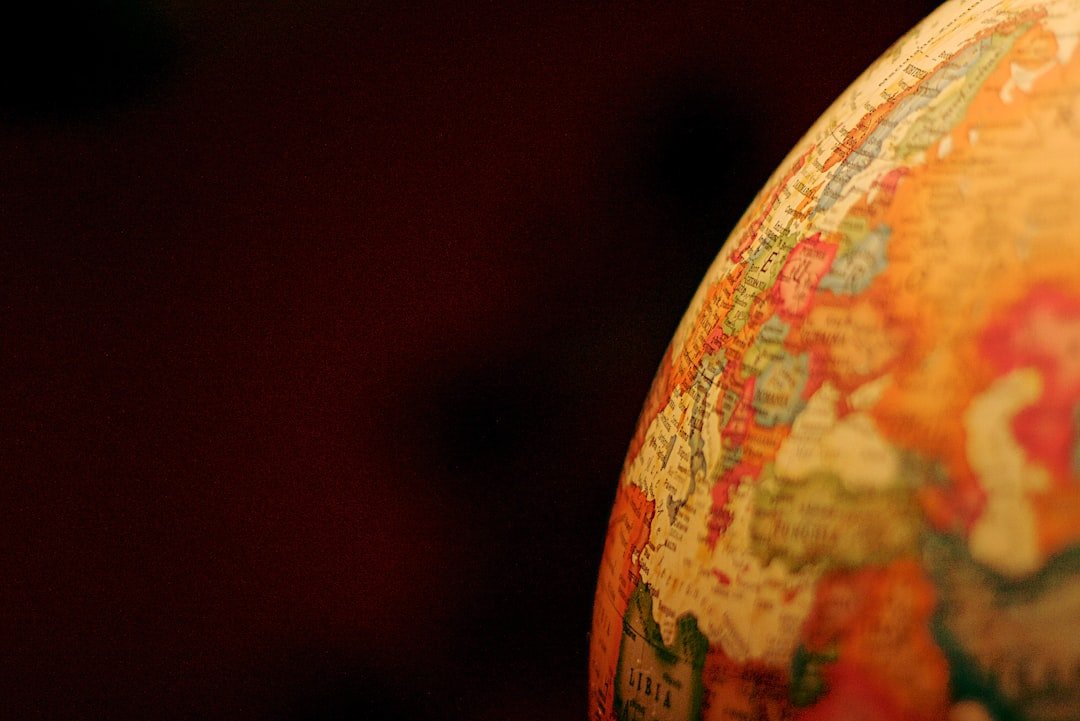
Navigating the Shifts in Global Capital Flow
As the world becomes increasingly interconnected, the phenomenon of wealth migration is gaining prominence, reshaping economies and influencing global capital flow. This article explores the intricate dynamics of wealth migration, cross-border investment, and their collective impact on the global economic landscape.
Understanding Wealth Migration
Wealth migration refers to the movement of affluent individuals and their resources across borders. This trend is not only about the relocation of physical assets but also encompasses the transfer of capital through investments in foreign markets. Several factors drive this movement, including geopolitical stability, economic opportunities, tax considerations, and quality of life. As individuals and their capital move, they carry significant implications for both their origin and destination countries.
Drivers Behind Wealth Migration
- Search for Stability and Security: Political and economic instability in home countries drives individuals to seek safer havens for their assets.
- Economic Opportunities: The pursuit of higher returns and diversification of investments leads many to explore markets beyond their national borders.
- Tax Efficiency: Taxation policies can also influence decisions to relocate wealth, with some seeking more favorable tax regimes.
- Lifestyle and Quality of Life: Beyond financial considerations, factors such as education, healthcare, and overall quality of life are crucial in wealth migration decisions.
Impact of Cross-Border Investment
Cross-border investment plays a pivotal role in wealth migration, facilitating the flow of capital across nations. This movement of funds from one country to another impacts economies in multiple ways:
- Economic Development: Investment in emerging markets can spur economic growth, create jobs, and enhance infrastructure.
- Market Volatility: Large-scale wealth migration can lead to volatility in financial markets, affecting currency values and investment returns.
- Regulatory Challenges: The influx of foreign capital necessitates robust regulatory frameworks to manage its impact and ensure economic stability.
The Future of Global Capital Flow
The landscape of global wealth migration and cross-border investment is continually evolving. Technological advancements, changing geopolitical landscapes, and economic policies will shape the future trends of wealth migration. While the opportunities for growth and diversification are vast, the challenges of market volatility and regulatory complexities remain. As countries adapt to these changes, the global economy stands on the brink of a new era of international capital flow.
Takeway from Rotharia
The trends in global wealth migration and cross-border investment are critical indicators of the health and direction of the global economy. Understanding these trends is essential for policymakers, investors, and economies at large to navigate the complexities of the global financial landscape. As we move forward, the ability to adapt to and capitalize on these trends will determine the economic stability and growth prospects of nations worldwide.