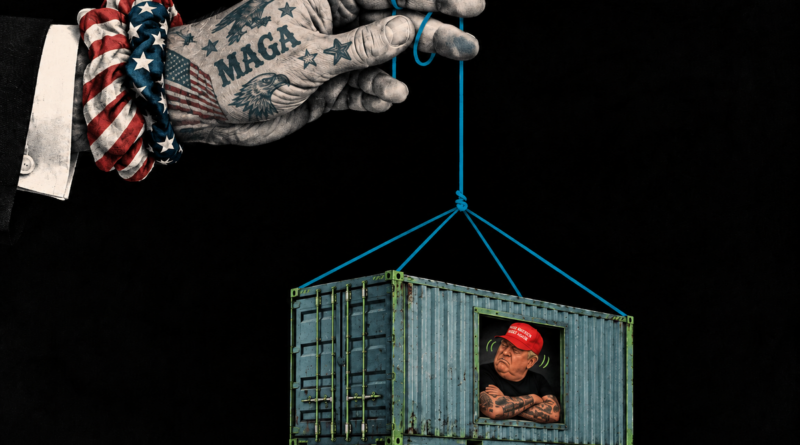
What Tariffs Actually Change for An Investment
Tariffs can raise costs immediately, disrupt sales and affect profits months later, testing companies’ margins and cash flow.
Read More
Technology platforms, software solutions, and AI tools transforming wealth management, family office operations, and investment decision-making.
Tariffs can raise costs immediately, disrupt sales and affect profits months later, testing companies’ margins and cash flow.
Read More
As long-term interest rates rise, the landscape of wealth management evolves. Understanding these changes is crucial for investors and policymakers alike.
Read More
Substantial family wealth can still leave you short of cash when capital calls, loan maturities and tax payments coincide.
Read More
The final quarter of 2026 will reveal whether rising borrowing costs, concentrated earnings growth and persistent inflation are putting greater pressure on investors’ cash flows and liquidity.
Read More
The IMF warns that AI investment and rising debt could expose family portfolios to risks across shares, private credit and infrastructure.
Read More
Switzerland’s proposed UBS capital rules could reshape shareholder returns and international growth, while prompting wealthy families to reassess their banking concentration and counterparty exposure.
Read More
Water scarcity is not the investment thesis; the investment thesis begins where scarcity forces measurable infrastructure spending.
Read More
Your portfolio does not respond to the size of a political announcement. What matters is how much of that money ultimately reaches the assets you own.
Read More
The common pressure across all five forces is the rising price and tighter availability of capital.
Read More
A strong Swiss franc protects domestic purchasing power but reduces the CHF value of foreign assets, making currency exposure part of the portfolio return itself.
Read More